Running Toilet Fix in Hampton Roads: What Homeowners Need to Know
That faint sound coming from your bathroom — a constant trickle, a random refill at 2am — is easy to ignore. A running toilet fix isn't complicated, but left unaddressed it quietly drains your water supply and drives up your bill month after month.
Here's what's actually happening, what it costs you, and when to call a professional.
Can a Running Toilet Cause a High Water Bill?
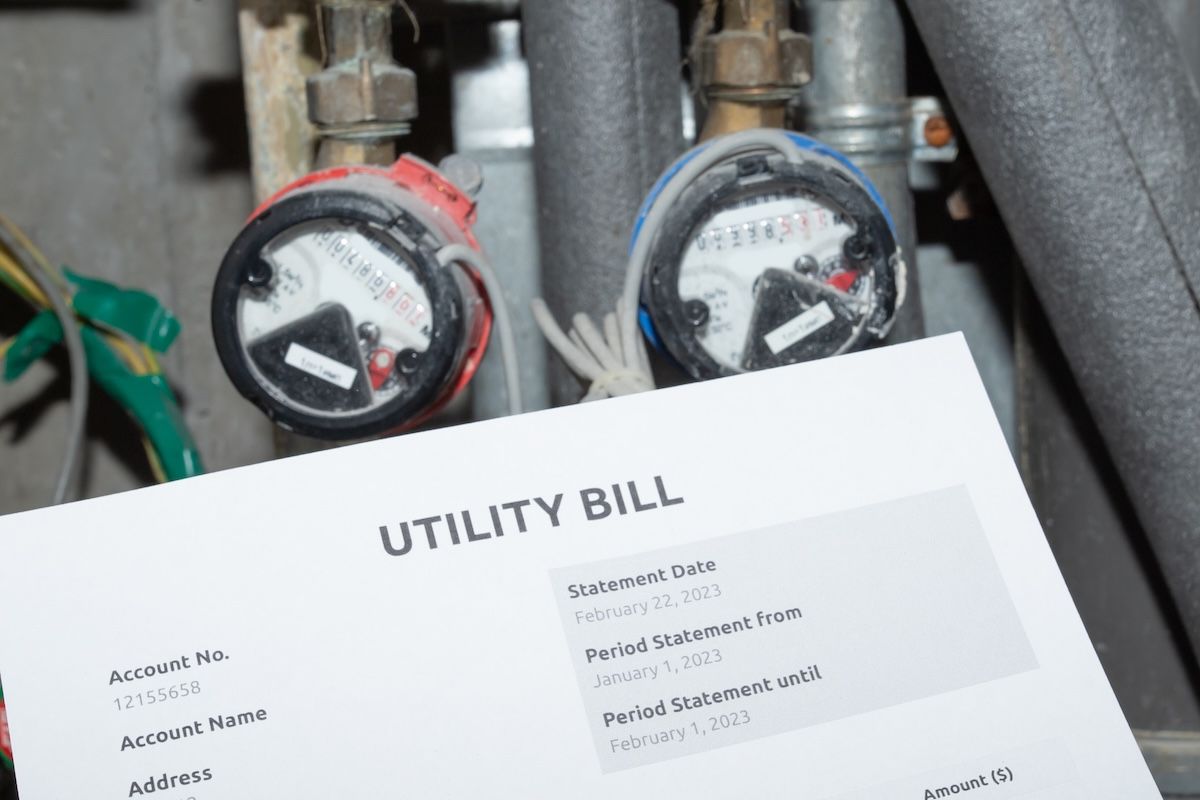
Yes — and the increase can be significant. According to the U.S. EPA's WaterSense program, a running toilet can waste approximately 200 gallons of water every day. For Hampton Roads homeowners, that translates to thousands of gallons — and real dollars — added to your water bill each month without a single extra flush.
Many homeowners only notice the problem when a bill arrives that's significantly higher than normal. By that point, weeks of waste have already occurred.
If your water bill has spiked and you can't explain why, a running toilet is one of the first things to check.
What Causes a Toilet to Keep Running?
Most running toilets trace back to one of three components:
The flapper valve is the rubber seal at the bottom of the tank. It lifts when you flush and drops back down to stop water flow. When it wears out, warps, or accumulates mineral deposits, it no longer seals properly — and water continuously seeps into the bowl. This is the most common cause.
The fill valve controls how water refills the tank after a flush. A faulty fill valve either overfills the tank, sending water into the overflow tube, or fails to shut off entirely. Both waste water continuously.
The float signals the fill valve when the tank is full. If it's set too high or damaged, the tank overfills and water runs down the overflow tube non-stop.
In Hampton Roads homes, humidity and hard water accelerate wear on all three components. Salt air also speeds corrosion on metal parts inside older toilet tanks. What might last 10 years in a drier climate can fail in five here.
How Do I Know If My Toilet Has a Leak?
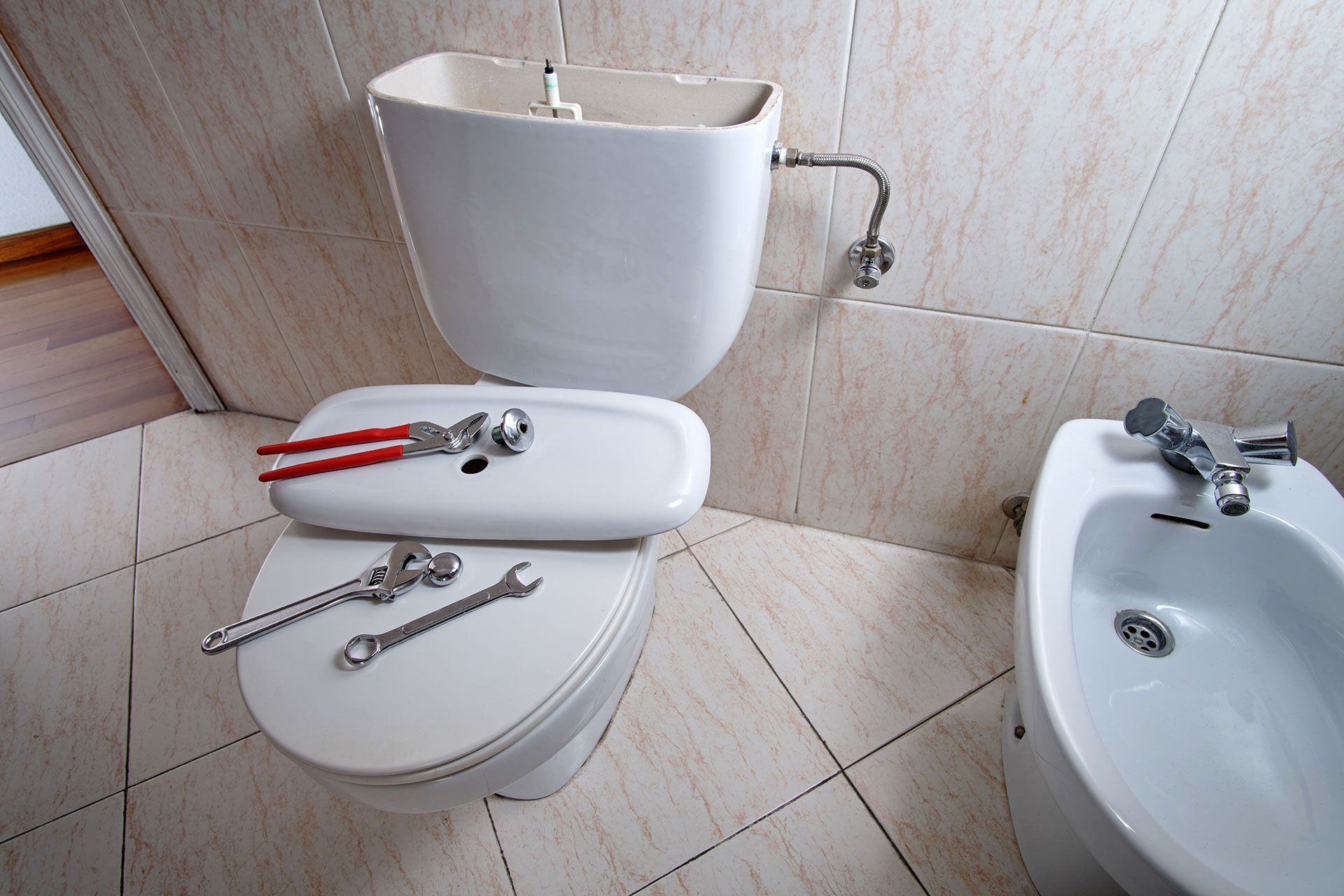
Before calling anyone, try this: add a few drops of food coloring to the toilet tank. Don't flush. Wait 15 minutes. If color appears in the bowl, your flapper is leaking. It's a reliable way to confirm the problem before a technician arrives.
When Is a Running Toilet a DIY Fix vs. a Professional Repair?
Replacing a flapper is one of the few plumbing tasks most homeowners can handle themselves. Parts are inexpensive and widely available. If you're comfortable turning off the water supply, draining the tank, and swapping the flapper, that's a reasonable first step.
Professional service makes more sense when:
- The toilet keeps running after you've replaced the flapper
- The fill valve is the problem — more involved to diagnose and replace correctly
- Multiple components are failing simultaneously
- You notice water around the base of the toilet, which points to a different problem entirely
- Internal hardware is corroded — common in coastal Virginia homes — and components break during attempted repairs
Attempting repairs on a corroded or aging toilet without the right experience can turn a $30 fix into a much larger job. Our plumbing team sees this pattern regularly in Hampton Roads homes, particularly in houses more than 15 years old where salt air exposure has taken its toll on tank hardware.
Should You Repair or Replace a Running Toilet?
If your toilet is more than 20 years old and multiple components are failing, replacement often makes more financial sense than repeated repairs. The EPA notes that replacing an older, inefficient toilet with a WaterSense-certified model can reduce toilet water use by 20 to 60 percent — meaning a replacement can pay for itself over time, especially with Hampton Roads water rates.
A professional assessment gives you an honest answer on which direction to go. Our toilet repair specialists don't push replacement when repair is the right call. We explain both options and the actual costs so you can decide.
Stop the Waste Before Your Next Bill Arrives
A running toilet rewards fast action. The longer it runs, the more it costs — and in coastal Virginia's humidity, internal components only continue to degrade.
If your toilet is running and you're not sure what's causing it, schedule a professional assessment online or call 757-910-0911. Our licensed plumbers serve Virginia Beach, Chesapeake, and the Hampton Roads area 24/7, and we'll give you a straight answer on what the fix actually requires.