Septic Tank Warning Signs: Is It a Plumbing Problem or Septic Issue in Coastal Virginia?

Lee Kirk • March 13, 2026

Your drains are backing up. Water won't go down. You need help fast—but should you call a plumber or a septic company?

Getting this answer wrong wastes time and money during an already stressful situation. Here's how to identify whether you're dealing with septic tank pump problems, septic tank filter problems, or standard plumbing issues that licensed plumbers handle.


One Drain or Multiple Drains? This Question Matters Most

According to septic service professionals, count how many drains are affected.

Single drain backing up? You're almost certainly dealing with a plumbing issue. A clogged kitchen sink, slow-draining shower, or backed-up toilet typically indicates a blockage in that specific drain line. This is plumber territory.

Multiple drains throughout your home backing up simultaneously? You're likely facing a septic system problem. When your main sewer line to the septic tank is blocked, or when your septic tank itself is failing, it affects drainage throughout your entire house—especially fixtures on the lowest level.

Plumbing and septic professionals explain that septic system issues rarely start with just one drain. They create system-wide drainage problems because all your home's wastewater eventually flows to the same septic tank.


The Cleanout Test: Your Fastest Diagnostic Tool

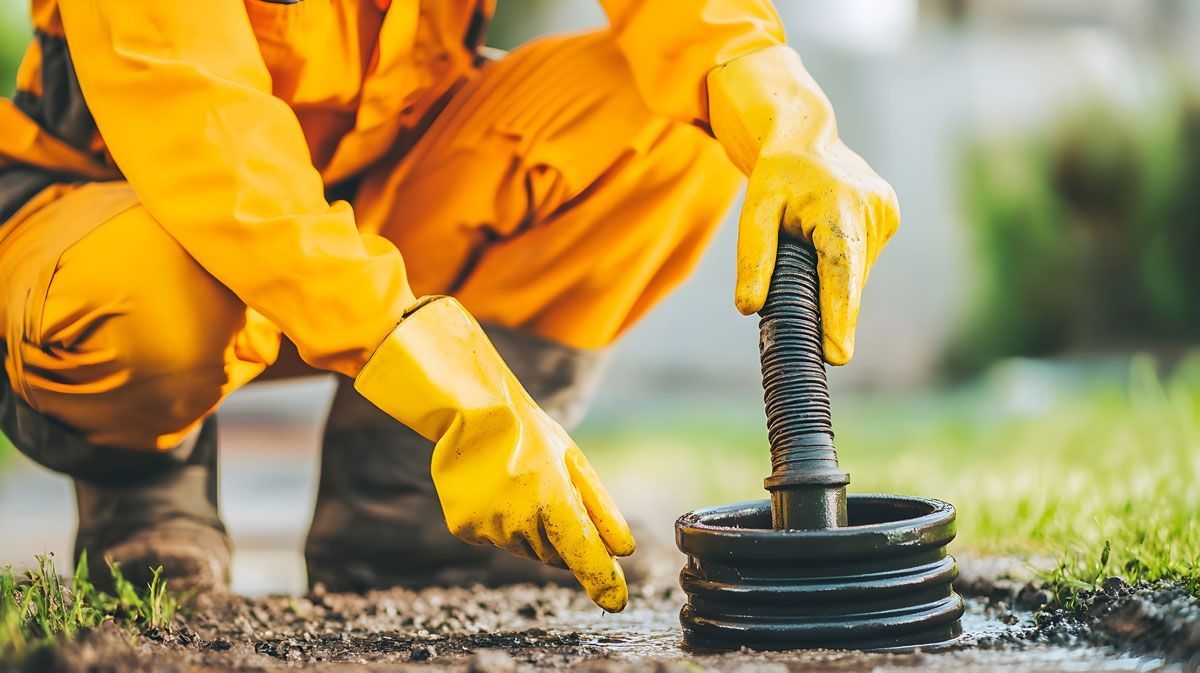
Most septic systems have a cleanout—a short PVC pipe with a removable cap sticking out of the ground between your house and your septic tank. This simple inspection provides critical information.

According to AAA Pumping Service, here's how to use it:

Find your cleanout pipe. It's typically 4-6 inches in diameter, usually white or black PVC, located between your home's foundation and where your septic tank is buried.

Carefully remove the cap. Sewage gas will escape—this is normal. Stand upwind.

Look inside for standing water. No standing water means the problem is between your house and the cleanout—this is plumbing territory. Call a licensed plumber.

See standing water in the cleanout? The blockage is beyond that point—either in the line running to your septic tank or in the tank itself. You need septic system service, not a plumber.


What You See Outside Tells You Who to Call

The location of problems helps determine whether you're dealing with plumbing or septic issues. Wind River Environmental outlines these visual indicators:

Call a licensed plumber when you notice:

  • Low water pressure throughout the house
  • Brown or discolored water from taps
  • Constant dripping from sinks or showers
  • Wet spots on indoor carpets or floors
  • Water stains on walls or ceilings

Call septic service when you notice:

  • Soggy ground or standing water near your septic tank location
  • Unusually lush, bright green grass over the septic tank or drainfield
  • Raw sewage odors around the tank or drainfield area
  • Soggy ground during dry weather
  • Multiple bathtubs or washing machines that won't drain

In Virginia Beach's humid climate, pay attention to wet spots during dry summer weeks—these indicate serious septic problems requiring immediate professional assessment.


Gurgling Drains Signal Septic Trouble

According to septic system experts, gurgling or bubbling sounds from toilets and drains are particularly diagnostic. These sounds indicate air trapped in your plumbing system—often caused by septic system problems rather than simple drain clogs.

When you flush a toilet or run water and hear gurgling from other drains, your septic system may be struggling to accept more wastewater. This is your system's way of signaling trouble before complete failure.

The Washington State Department of Health lists gurgling sounds in plumbing systems as a key warning sign of septic system failure requiring immediate attention.

Your Septic System's Age Provides Important Context

According to Van Delden Wastewater Systems, the average septic system lasts approximately 25 years, though this varies based on usage, household size, and maintenance history.

Relatively new system (under 10 years old) that's been properly maintained with regular pumping every 3-5 years? Drainage problems are more likely plumbing-related. The septic system itself probably isn't failing yet.

System is 20+ years old, or hasn't been properly maintained with regular pumping? Drainage problems more likely indicate septic system issues requiring specialized service rather than simple plumbing repairs.

Coastal conditions can affect septic system lifespan. Consult local septic professionals about factors specific to your Virginia Beach property.


Common Septic Problems Hampton Roads Homeowners Face

Understanding what actually fails in septic systems helps you recognize problems early. The Washington State Department of Health identifies these common failure points:

Clogged inlet pipe from house to tank causes very slow draining or complete stoppage. Often fixable by "snaking the line"—this is actually plumbing work, not septic system work.

Blocked inlet baffle occurs when toilet paper and debris accumulate at the tank entrance. You might see this if you have access to your tank's inlet opening. Often a relatively easy and inexpensive fix.

Clogged outlet baffle or effluent filter causes sewage backup into the home or surfacing near the septic tank. This is one of the most common septic tank filter problems Virginia Beach homeowners experience.

Failed drainfield results in sewage backing up into the home, soggy areas over the drainfield, spongy bright green grass, and sewage odors. This is serious and may indicate the drainfield has reached the end of its operational life.

Septic tank pump failure (for systems with pumps) prevents wastewater from reaching the drainfield, causing backups and overflow in homes with pump-assisted septic systems.


When You're Genuinely Not Sure

Fletcher's Plumbing explains that plumbers and septic professionals work in related but distinct areas. Plumbers handle pipes, fixtures, and water supply systems inside and immediately around your home. Septic professionals handle the septic tank, drainfield, and wastewater treatment system.

If you're genuinely unsure after checking for multiple affected drains and inspecting your cleanout, here's the general guidance:

Call a licensed plumber first if:

  • Only one or two specific drains are affected
  • You don't have access to your cleanout for inspection
  • You see water issues inside your home (leaks, pressure problems)
  • Your septic system is relatively new and well-maintained

Call a septic service company if:

  • Multiple drains throughout the house are backing up
  • You see standing water in your cleanout pipe
  • You notice soggy ground or sewage smells near your tank
  • Your system hasn't been pumped in 5+ years
  • Your septic system is 20+ years old

Many licensed plumbers can perform initial diagnostics and direct you to septic services if needed. Getting professional eyes on the problem quickly matters more than attempting an extensive DIY diagnosis.


Preventing Problems Before Emergencies Develop

Understanding the difference between plumbing and septic issues helps you maintain both systems properly.

For your plumbing system, schedule regular inspections of pipes, fixtures, and drainage. Address slow drains before they become complete blockages. Watch for signs of corrosion in Virginia Beach's salt air environment.

For your septic system, follow the standard maintenance schedule—pump every 3-5 years, inspect annually, and have your septic tank filter checked and cleaned regularly. Don't wait for obvious problems to develop.

Regular drain cleaning throughout your home keeps your plumbing flowing properly to your septic system. This prevents clogs that could initially appear to be septic problems, wasting time during diagnostic assessment.


Know Your System, Know Who to Call

Whether you're dealing with septic tank pump problems, septic tank filter problems, or plumbing issues, a correct diagnosis gets the right professional to your Virginia Beach home faster. Use the simple tests outlined here—multiple drains affected, cleanout inspection, visual signs around your property—to make an informed decision about who to contact.

When you're facing plumbing problems inside your home or need drainage issues resolved quickly, licensed plumbers provide the expertise you need.

Call 757-910-0911 or contact us online for professional plumbing assessment:

  • Licensed residential plumbing throughout Virginia Beach and Hampton Roads
  • Drain cleaning and blockage removal for coastal Virginia homes
  • Professional diagnostics to identify plumbing vs. septic issues
  • Emergency plumbing service available 24/7
  • Satisfaction guaranteed with no hidden fees

At 911 Home Repair Specialists, we're your trusted partner for all plumbing needs in Virginia Beach. With veteran leadership, 85+ years of combined experience, and specialized knowledge of coastal Virginia challenges, we'll help you identify whether your problem requires plumbing service or septic system attention—and provide expert plumbing solutions when that's what your home needs.

Serving Virginia Beach, Chesapeake, Norfolk, and the entire Hampton Roads region with professional plumbing services. When you need experienced plumbers who understand coastal challenges, call us first.

By todd May 18, 2026
If you've been in your Virginia Beach home for 20 or 30 years and you've never given your sewer line a second thought — that's actually worth reconsidering. How long a sewer line lasts depends heavily on the pipe material and the environment it's buried in. In coastal Virginia, that second factor matters more than most homeowners expect. Here's what Hampton Roads homeowners should know about sewer line lifespan, what shortens it in our specific environment, and when it's time to get a professional assessment. How Long Does a Sewer Line Last — And What Affects It? Pipe material is the biggest factor in how long a sewer line lasts. According to the International Association of Certified Home Inspectors (InterNACHI) , estimated lifespans break down roughly like this: Clay pipe: 50–60 years Cast iron pipe: 50–75 years Orangeburg pipe (bituminous fiber, common in homes built 1945–1972): 50 years under ideal conditions — often far less PVC pipe: 100+ years under normal conditions Those ranges assume average soil conditions and moderate climate stress. In Virginia Beach and the broader Hampton Roads region, conditions are rarely average. Why Coastal Virginia Is Harder on Sewer Lines The same environment that makes Hampton Roads beautiful also puts real stress on underground infrastructure. High water table. Much of Virginia Beach sits at or near sea level. When the water table is consistently high, it increases hydrostatic pressure on buried pipes — particularly older clay and cast iron lines. This pressure can accelerate joint separation and cracking over time. Expansive and shifting soils. The soil composition across Hampton Roads — a mix of sandy, silty, and clay-heavy layers depending on your neighborhood — shifts with moisture changes. That movement stresses pipe joints and can cause gradual misalignment, which leads to root intrusion points and partial blockages. Salt air and moisture. Above-ground exposure isn't the only concern. Saltwater intrusion through the soil affects buried metal components and accelerates corrosion in cast iron lines, particularly in areas closer to tidal zones. Mature tree canopy. Older Virginia Beach neighborhoods have large, established trees. Root systems naturally seek moisture, and aging sewer lines with even minor joint gaps become targets. None of these factors automatically mean your sewer line is failing. But they do mean the upper end of those lifespan estimates is less likely here than in a drier, more stable environment. What Are the Warning Signs Your Sewer Line Is Aging Out? You don't have to wait for a full failure to take action. These are the signs worth paying attention to: Recurring slow drains throughout the house — not just one fixture, but multiple. This points to the main line, not a localized clog. Sewage odors in the yard or near floor drains — indicating a possible crack or joint failure underground. Wet or unusually green patches in the yard — a line leak fertilizing the surrounding soil. Frequent drain backups despite professional cleaning — a sign the pipe structure itself may be deteriorating. A home built before 1980 — particularly if it's never had a sewer line inspection. Orangeburg and older clay systems are well past or approaching end of life. If your home was built before the late 1970s and you've never had a camera inspection, that alone is a reasonable basis for scheduling one — regardless of whether you're seeing symptoms yet. How Does a Sewer Camera Inspection Help? The only way to know what's actually happening inside your sewer line is to look. A sewer line camera inspection gives you real footage of your pipe's interior — joint condition, root intrusion, buildup, cracking, or collapse — without any digging. For Virginia Beach homeowners in older homes, this is one of the most straightforward ways to move from "I think my system is fine" to "I know my system is fine." It's also standard practice before any home sale, including PICRA inspections. When Does a Sewer Line Need to Be Replaced? Not every aging pipe needs immediate replacement. A sewer line replacement becomes the right call when: Camera inspection shows structural damage across multiple sections Repeated repairs haven't resolved ongoing backups Root intrusion has compromised the pipe's integrity, not just created a blockage Repair costs are approaching half the cost of full replacement The pipe material itself is at or past its expected lifespan with visible deterioration When replacement is warranted, trenchless methods are often available for Virginia Beach properties — less disruption to your yard and landscaping, with full restoration included in the project scope. Protecting Your Investment in Coastal Virginia A sewer line isn't something most homeowners think about until there's a problem. But how long a sewer line lasts in Hampton Roads depends on factors you can actually get ahead of — pipe material, age, and whether the system has ever been inspected. If you're not sure what material your sewer line is or when it was last inspected, that's a good place to start. 911 Home Repair Specialists has 85+ years of combined Hampton Roads experience. Our veteran- and engineer-owned team provides sewer line camera inspections and full replacement services across Virginia Beach, Chesapeake, Norfolk, and the surrounding area. Licensed, insured, and available 24/7 for emergencies. Call 757-910-0911 or contact us online to schedule a sewer line assessment.
By Lee Kirk May 13, 2026
Mold in plumbing is one of those problems that rarely announces itself loudly. It usually starts with a musty smell near a drain, a dark stain that keeps reappearing around a pipe fitting, or allergy symptoms that improve the moment you leave the house. In Virginia Beach and Chesapeake — where humidity is a year-round factor — moldy pipes aren't a worst-case scenario. They're a predictable outcome when moisture problems go unaddressed. Here's where mold in plumbing actually grows, how to spot it, and how to stop it at the source. Where Does Mold in Plumbing Actually Grow? This matters for accuracy, so it's worth being specific. There are two distinct situations, and they're not equally common. Drain lines are where mold most frequently shows up in a home's plumbing. Shower drains, sink drains, and tub drains accumulate organic matter — hair, soap residue, food particles — that provides exactly the food source mold needs. Combined with consistent moisture and limited light, drain lines are a genuine mold habitat. If you've ever seen a dark, slimy ring inside a drain opening, that's biofilm and mold growth, and it's common. Supply pipes — the pressurized lines delivering water to your faucets — are a different story. Mold doesn't grow readily inside supply pipes because flowing water limits the conditions mold needs to establish. It's possible in certain situations, such as pipes that sit unused for extended periods, but it's not the typical concern for most homeowners. The more common and significant risk is mold growing around plumbing — in the wall framing, drywall, insulation, and cabinet materials surrounding a slow leak or a consistently sweating pipe. That's where plumbing problems translate into real mold problems, and in a coastal climate like Hampton Roads, those conditions develop faster than they would elsewhere. What Causes Moldy Pipes and Plumbing-Related Mold in Coastal Virginia? The underlying cause is always moisture. But the specific plumbing sources are worth knowing. Slow leaks inside walls or under cabinets keep surrounding materials persistently damp — not wet enough to notice immediately, but wet enough to sustain mold growth over weeks. Uninsulated pipes sweat condensation during humid months, keeping surfaces around them wet. Drain lines with organic buildup grow biofilm and mold directly. And in homes with any history of water intrusion, moisture trapped in framing near pipes creates conditions that don't resolve on their own. According to the EPA , cleaning up mold without fixing the moisture source means the problem comes back — because the conditions that created it haven't changed. How Do You Detect Mold in Your Plumbing System? Mold related to plumbing gives reliable warning signs even when the growth itself is hidden: Persistent musty odor near drains or pipes. A smell that's strongest near sink drains, shower drains, or under bathroom vanities — especially after running water — is often the first sign of mold in drain lines or behind a wall. Visible dark buildup around drain openings. Black, green, or dark gray slime at drain openings is mold and biofilm growth. It's common and treatable, but it signals conditions that need addressing. Recurring discoloration around pipe fittings or under cabinets. Staining that comes back after cleaning indicates an ongoing moisture source — typically a slow leak feeding mold growth in surrounding materials. Water stains or warped surfaces near plumbing. Bubbling paint, warped cabinet bases, or ceiling stains adjacent to pipes point to a leak that may have created hidden mold growth in building materials. Indoor health symptoms. The CDC notes that mold exposure can cause a stuffy nose, coughing or wheezing, and burning eyes, with more severe reactions in people with asthma or mold allergies. Symptoms that worsen at home and improve when you leave are worth investigating. How Do You Prevent Mold in Plumbing and Around Pipes? Keep drain lines clean. Regular drain cleaning removes the organic buildup that feeds mold growth inside drain pipes. In Hampton Roads, where humidity keeps drain environments consistently moist, this matters more than it does in drier climates. Insulate exposed pipes. Pipes in unconditioned spaces — under sinks, in crawl spaces, in garages — condensate in humid months. Proper insulation eliminates surface moisture before it accumulates in surrounding materials. Fix slow leaks immediately. A dripping supply line under a bathroom vanity doesn't feel urgent. Left for weeks in a coastal home, it creates the enclosed, damp conditions where mold establishes quickly in cabinet wood and drywall. Improve ventilation in wet areas. Undersized or rarely-used exhaust fans leave moisture in bathrooms and kitchens, which works its way into surrounding walls and cabinetry over time. Schedule annual plumbing inspections. Small leaks in older homes develop slowly and stay hidden until they've caused real damage. A professional inspection catches them before mold has a chance to take hold. What's the Plumber's Role — and What Isn't? A licensed plumber's job is to find and fix the moisture source: locating the leak, repairing or replacing the pipe, clearing drain line buildup, and correcting the conditions that caused the problem. Mold remediation — treating contaminated materials, testing air quality, clearing affected areas — requires a certified mold remediation specialist. At 911 Home Repair Specialists, we handle the plumbing side: leak detection and repair , pipe repair and replacement , drain line cleaning, and pipe insulation. When remediation is also needed, we work alongside those specialists — so you're not left managing two contractors with no one connecting the process. If you suspect mold in your plumbing system, start with the plumbing. Call 911 Home Repair Specialists at 757-910-0911 or contact us online . We serve Virginia Beach, Chesapeake, and the surrounding Hampton Roads area with 85+ years of combined coastal experience — and we'll give you a clear, honest picture of what's causing the moisture problem and what needs to happen next.
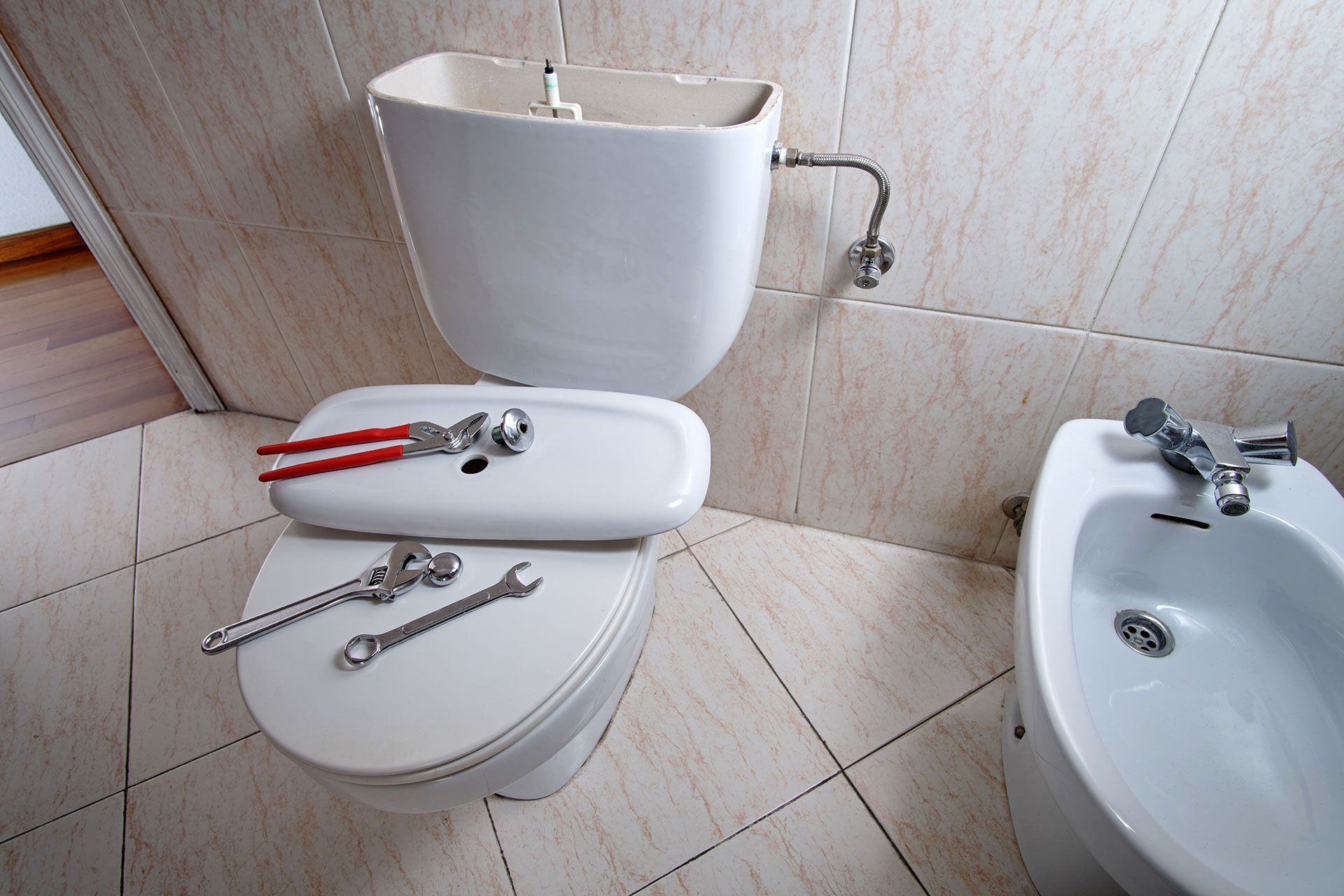
Licensed plumber repairing a running toilet in a Hampton Roads Virginia Beach home
By Lee Kirk April 2, 2026
Is your running toilet causing a high water bill? Learn the causes, DIY limits, and when to call a Hampton Roads plumber.
Toilet Repair vs. Replacement
By Lee Kirk March 13, 2026
Honest toilet repair vs replacement cost comparison for Virginia Beach. Licensed plumbers explain when each makes sense. Call 757-910-0911 for assessment.
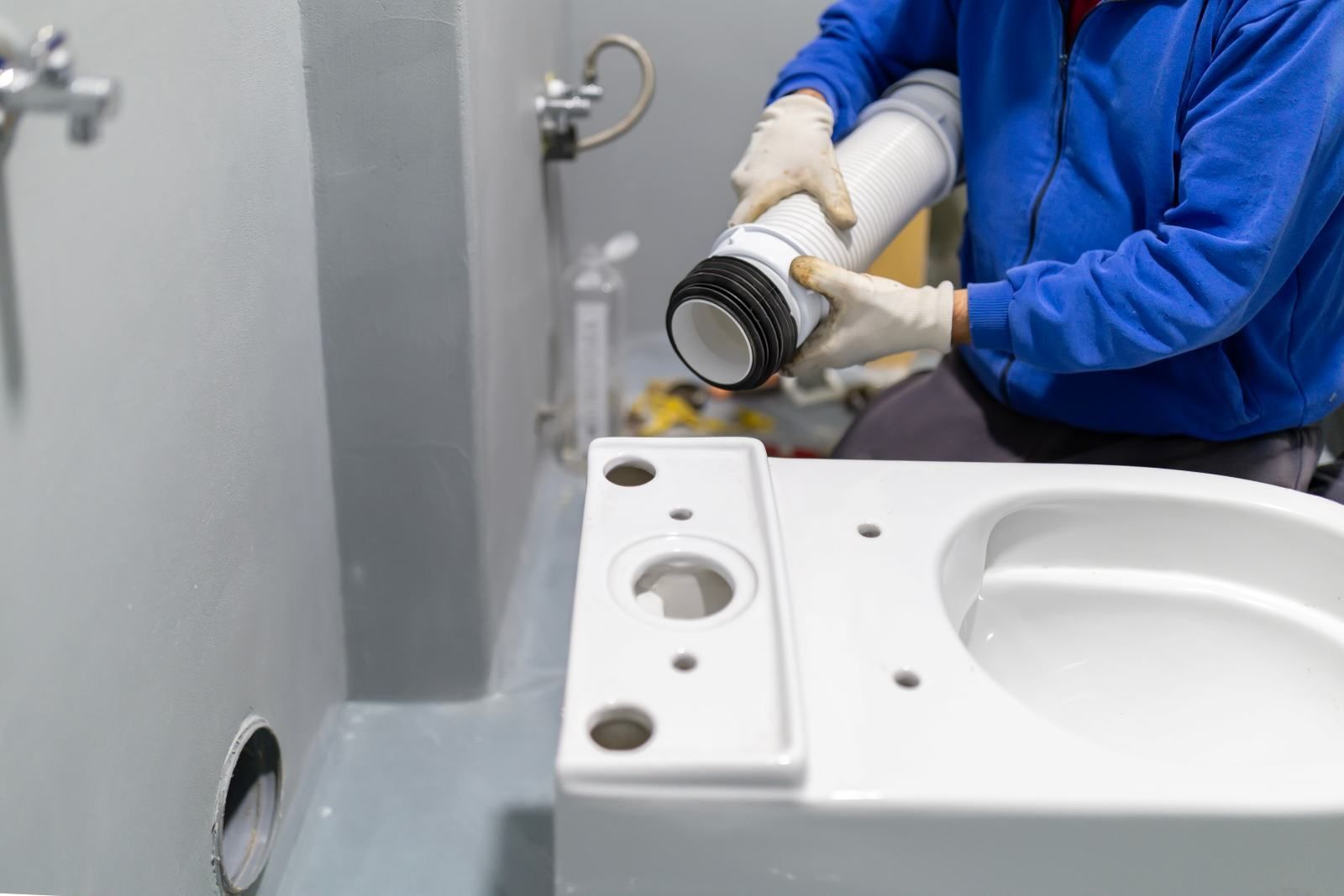
Why Your Toilet Keeps Backing Up
By Lee Kirk January 6, 2026
Why your toilet keeps backing up, the most common causes behind repeated clogs, and how to stop the problem before it leads to costly plumbing damage.
Water Bill
By Lee Kirk September 30, 2025
Discover why your Virginia Beach water bill skyrocketed. Our systematic guide helps identify hidden leaks, running toilets & coastal-specific causes. Call 757-910-0911 for expert leak detection.
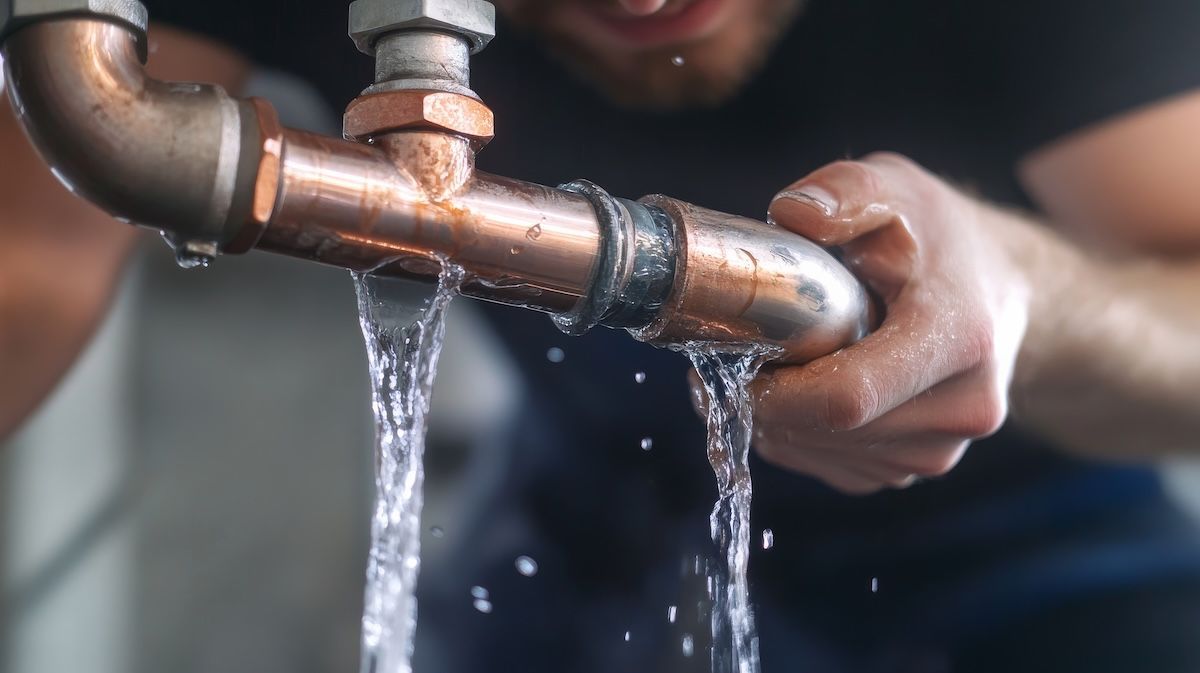
24-hour emergency plumber
By Lee Kirk September 26, 2025
Know when to call 24-Hour emergency plumbing services to protect your home from leaks, sewage, or no water. Trust 911 Home Repair anytime, day or night.