Why Your Toilet Keeps Backing Up (And How to Stop It)

Lee Kirk • January 6, 2026

When your toilet backs up once, it's frustrating. When it keeps backing up repeatedly, you know something's seriously wrong with your Virginia Beach home's plumbing. Here's what causes recurring toilet backups in coastal Virginia—and more importantly, which problems you can handle yourself versus when you needprofessional toilet repair right now.


Why Does My Toilet Keep Backing Up?


Most recurring toilet backups in Virginia Beach homes happen for five specific reasons:


Partial Blockages Building Over Time: Something's partially blocking your toilet drain—catching toilet paper and waste with each flush until it completely clogs. These blockages build gradually, which is why your toilet might work fine one day and back up the next.


Main Sewer Line Problems: Tree roots, broken pipes, or collapsed sections in your main line cause backups that often affect multiple drains. This is particularly common in older Virginia Beach neighborhoods with mature trees whose roots aggressively seek moisture in sewer lines. When your toilet keeps backing up and other drains are also slow, the main sewer line is usually the culprit.


Improper Toilet Paper Use: Thick toilet paper or too much at once doesn't break down properly. Ultra-plush brands marketed as "luxury" often create massive clumps that sit in pipes for weeks before causing complete blockage.


Vent Stack Issues: Coastal humidity and salt air corrode vent pipes that allow proper drainage. Without adequate venting, toilets drain slowly and back up repeatedly. This problem is especially common in Virginia Beach homes built before 1990.


Low-Flow Toilet Problems: Older low-flow toilets often lack sufficient flushing power for complete waste removal, causing recurring partial clogs that eventually become full backups. According to theEPA's WaterSense program, modern high-efficiency toilets provide better performance while using significantly less water.


Is Your Toilet Backup an Emergency or Can It Wait?


Here's how to determine whether you need emergency service or can schedule regular-rate service:


Call 757-379-8709 immediately (Emergency Rate) if:

  • Sewage is backing up into your home right now
  • Multiple drains throughout your house are backing up simultaneously
  • You see water damage spreading to floors or walls
  • Raw sewage smell fills your bathroom


Schedule regular service (Standard Rate) if:

  • Toilet backs up but drains eventually on its own
  • Problem occurs occasionally but not constantly
  • Only one toilet is affected
  • You can access other bathrooms in your home


Try DIY first, then call if it doesn't work:

  • Toilet paper is the only thing going down
  • Problem started recently
  • Plunging sometimes works but not consistently


The difference matters for your budget—emergency rates apply to situations causing immediate property damage or health hazards. Everything else qualifies for standard service pricing with no hidden fees.


What Causes Toilets to Clog Repeatedly in Coastal Virginia?


Living in Virginia Beach creates unique toilet challenges you won't find in inland areas:


Salt Air Accelerates Corrosion: Vent pipes, toilet tank components, and sewer connections corrode faster from salt air exposure. Coastal Virginia plumbing systems age differently than those in drier, inland climates.


Humidity Affects Paper Breakdown: High humidity makes toilet paper less likely to break down properly in pipes. Paper that would dissolve quickly inland can sit in coastal Virginia pipes much longer without breaking apart.


Ground Shifting from Coastal Water Table: Hampton Roads' high water table causes gradual ground shifting that stresses sewer lines. Even properly installed pipes develop cracks from this constant movement.


Tree Roots Seek Moisture Aggressively: Coastal trees aggressively seek water sources during dry periods. Roots penetrate through tiny cracks in sewer pipes and can fill entire sections of pipe, causing recurring backups.


How to Stop Your Toilet from Backing Up


Here's what actually works for preventing recurring backups:


For Partial Blockages (DIY Safe):

  1. Switch toilet paper brands: Use standard toilet paper that breaks down faster in coastal humidity rather than thick, luxury brands.
  2. Flush smaller amounts: Multiple small flushes prevent overload better than one large flush.
  3. Keep a toilet auger handy: A basic toilet auger helps clear simple blockages before they become emergencies.
  4. Never flush "flushable" wipes: Despite marketing claims, wipes don't break down like toilet paper. The same goes for feminine products and paper towels.


For Main Line Issues (Professional Required):


Main sewer line problems need professional attention:


  • Tree root intrusion requiring hydro-jetting (high-pressure water cleaning)
  • Collapsed pipe sections needing replacement
  • Improper slope causing chronic drainage problems
  • Connections damaged by ground shifting


Professional sewer line camera inspection can identify the exact problem location and severity without guesswork. This technology allows licensed plumbers to see inside your pipes and diagnose issues that would otherwise require excavation to discover.


For Vent Stack Problems:

Vent issues show specific symptoms:


  • Gurgling sounds when toilet drains
  • Slow drainage despite clear toilet trap
  • Sewage smell but no visible backup


Professional vent inspection identifies whether your venting system is working properly in coastal conditions.


Can High Water Bills Indicate Toilet Problems?


Yes—running toilets waste significant water daily. If your toilet keeps backing up and you're also noticing higher water bills, you may have multiple issues affecting your plumbing system. Check for running toilets by:


  1. Adding food coloring to tank
  2. Waiting 15 minutes without flushing
  3. Looking for colored water in bowl


If color appears in bowl, your flapper valve needs replacement—an inexpensive part you can install yourself.


When to Replace vs. Repair Your Toilet


Replace if:

  • Toilet is 15+ years old with recurring problems
  • Cracks visible in porcelain (even hairline cracks)
  • Multiple repairs needed in recent months
  • You have an older low-flow model with chronic backup issues


Repair if:

  • Single component failure (flapper, fill valve, wax ring)
  • Toilet less than 10 years old
  • First occurrence of backup problem
  • Modern high-efficiency model


Modern toilets use significantly less water per flush than older models, which saves money on Hampton Roads water bills while providing better flushing performance.


What Professional Toilet Service Actually Involves


When Virginia Beach homeowners call 757-379-8709 for recurring backup problems, professional service includes:


Initial Assessment:

  • Check all drains to determine if problem is isolated or systemic
  • Inspect toilet for obvious damage or wear
  • Test flush performance and drainage speed
  • Document symptoms and timing


Diagnosis:

  • Camera inspection of main line if multiple drains affected
  • Vent stack check from roof access
  • Water pressure testing
  • Review of potential causes


Solution Options:

  • Clear explanation of problem cause
  • Multiple repair options with transparent pricing
  • Timeline for permanent fix
  • Preventive maintenance recommendations


Completed Work:

  • Professional repair with quality coastal-appropriate materials
  • Complete testing to verify problem resolution
  • Cleanup and disposal of old parts
  • Follow-up to ensure satisfaction


We provide upfront pricing before starting work—no surprises when we're done. All our technicians are licensed through theVirginia Department of Professional and Occupational Regulation and follow industry standards established by professional organizations like thePlumbing-Heating-Cooling Contractors Association.


Preventing Future Toilet Backups in Your Virginia Beach Home


These prevention steps eliminate most recurring backup problems:


Monthly Maintenance:

  • Check for leaks around base
  • Test flush performance
  • Inspect tank components for wear
  • Clean rim jets to remove coastal mineral buildup


Quarterly Tasks:

  • Professional drain cleaning if you have mature trees nearby
  • Vent stack inspection (especially after hurricane season)
  • Main line inspection for older homes


Annual Professional Service:

  • Complete plumbing system inspection
  • Preventive main line cleaning
  • Vent stack verification
  • Wax ring and seal inspection


Preventive maintenance costs far less than emergency repairs requiring main line work.


Ready to Stop Recurring Toilet Backups?


If your toilet keeps backing up despite your best efforts, you need professional assessment to identify the root cause. Our licensed technicians provide honest diagnosis and transparent pricing throughout Virginia Beach, Chesapeake, and Norfolk.


Call 757-379-8709 for:

  • Same-day service for recurring backup problems
  • Camera inspection to identify hidden main line issues
  • Transparent pricing with no hidden fees—ever
  • Satisfaction guaranteed coastal expertise you can trust
  • Licensed, insured professionals with proven Hampton Roads experience


Don't let recurring toilet backups disrupt your daily routine or cause expensive water damage. We'll identify the real problem and fix it right the first time with materials designed for Virginia Beach's challenging coastal environment.


Serving Virginia Beach, Chesapeake, Norfolk, and the entire Hampton Roads region with professional toilet repair and replacement services. When your toilet keeps backing up, we find out why and stop it permanently.

By todd May 18, 2026
If you've been in your Virginia Beach home for 20 or 30 years and you've never given your sewer line a second thought — that's actually worth reconsidering. How long a sewer line lasts depends heavily on the pipe material and the environment it's buried in. In coastal Virginia, that second factor matters more than most homeowners expect. Here's what Hampton Roads homeowners should know about sewer line lifespan, what shortens it in our specific environment, and when it's time to get a professional assessment. How Long Does a Sewer Line Last — And What Affects It? Pipe material is the biggest factor in how long a sewer line lasts. According to the International Association of Certified Home Inspectors (InterNACHI) , estimated lifespans break down roughly like this: Clay pipe: 50–60 years Cast iron pipe: 50–75 years Orangeburg pipe (bituminous fiber, common in homes built 1945–1972): 50 years under ideal conditions — often far less PVC pipe: 100+ years under normal conditions Those ranges assume average soil conditions and moderate climate stress. In Virginia Beach and the broader Hampton Roads region, conditions are rarely average. Why Coastal Virginia Is Harder on Sewer Lines The same environment that makes Hampton Roads beautiful also puts real stress on underground infrastructure. High water table. Much of Virginia Beach sits at or near sea level. When the water table is consistently high, it increases hydrostatic pressure on buried pipes — particularly older clay and cast iron lines. This pressure can accelerate joint separation and cracking over time. Expansive and shifting soils. The soil composition across Hampton Roads — a mix of sandy, silty, and clay-heavy layers depending on your neighborhood — shifts with moisture changes. That movement stresses pipe joints and can cause gradual misalignment, which leads to root intrusion points and partial blockages. Salt air and moisture. Above-ground exposure isn't the only concern. Saltwater intrusion through the soil affects buried metal components and accelerates corrosion in cast iron lines, particularly in areas closer to tidal zones. Mature tree canopy. Older Virginia Beach neighborhoods have large, established trees. Root systems naturally seek moisture, and aging sewer lines with even minor joint gaps become targets. None of these factors automatically mean your sewer line is failing. But they do mean the upper end of those lifespan estimates is less likely here than in a drier, more stable environment. What Are the Warning Signs Your Sewer Line Is Aging Out? You don't have to wait for a full failure to take action. These are the signs worth paying attention to: Recurring slow drains throughout the house — not just one fixture, but multiple. This points to the main line, not a localized clog. Sewage odors in the yard or near floor drains — indicating a possible crack or joint failure underground. Wet or unusually green patches in the yard — a line leak fertilizing the surrounding soil. Frequent drain backups despite professional cleaning — a sign the pipe structure itself may be deteriorating. A home built before 1980 — particularly if it's never had a sewer line inspection. Orangeburg and older clay systems are well past or approaching end of life. If your home was built before the late 1970s and you've never had a camera inspection, that alone is a reasonable basis for scheduling one — regardless of whether you're seeing symptoms yet. How Does a Sewer Camera Inspection Help? The only way to know what's actually happening inside your sewer line is to look. A sewer line camera inspection gives you real footage of your pipe's interior — joint condition, root intrusion, buildup, cracking, or collapse — without any digging. For Virginia Beach homeowners in older homes, this is one of the most straightforward ways to move from "I think my system is fine" to "I know my system is fine." It's also standard practice before any home sale, including PICRA inspections. When Does a Sewer Line Need to Be Replaced? Not every aging pipe needs immediate replacement. A sewer line replacement becomes the right call when: Camera inspection shows structural damage across multiple sections Repeated repairs haven't resolved ongoing backups Root intrusion has compromised the pipe's integrity, not just created a blockage Repair costs are approaching half the cost of full replacement The pipe material itself is at or past its expected lifespan with visible deterioration When replacement is warranted, trenchless methods are often available for Virginia Beach properties — less disruption to your yard and landscaping, with full restoration included in the project scope. Protecting Your Investment in Coastal Virginia A sewer line isn't something most homeowners think about until there's a problem. But how long a sewer line lasts in Hampton Roads depends on factors you can actually get ahead of — pipe material, age, and whether the system has ever been inspected. If you're not sure what material your sewer line is or when it was last inspected, that's a good place to start. 911 Home Repair Specialists has 85+ years of combined Hampton Roads experience. Our veteran- and engineer-owned team provides sewer line camera inspections and full replacement services across Virginia Beach, Chesapeake, Norfolk, and the surrounding area. Licensed, insured, and available 24/7 for emergencies. Call 757-910-0911 or contact us online to schedule a sewer line assessment.
By Lee Kirk May 13, 2026
Mold in plumbing is one of those problems that rarely announces itself loudly. It usually starts with a musty smell near a drain, a dark stain that keeps reappearing around a pipe fitting, or allergy symptoms that improve the moment you leave the house. In Virginia Beach and Chesapeake — where humidity is a year-round factor — moldy pipes aren't a worst-case scenario. They're a predictable outcome when moisture problems go unaddressed. Here's where mold in plumbing actually grows, how to spot it, and how to stop it at the source. Where Does Mold in Plumbing Actually Grow? This matters for accuracy, so it's worth being specific. There are two distinct situations, and they're not equally common. Drain lines are where mold most frequently shows up in a home's plumbing. Shower drains, sink drains, and tub drains accumulate organic matter — hair, soap residue, food particles — that provides exactly the food source mold needs. Combined with consistent moisture and limited light, drain lines are a genuine mold habitat. If you've ever seen a dark, slimy ring inside a drain opening, that's biofilm and mold growth, and it's common. Supply pipes — the pressurized lines delivering water to your faucets — are a different story. Mold doesn't grow readily inside supply pipes because flowing water limits the conditions mold needs to establish. It's possible in certain situations, such as pipes that sit unused for extended periods, but it's not the typical concern for most homeowners. The more common and significant risk is mold growing around plumbing — in the wall framing, drywall, insulation, and cabinet materials surrounding a slow leak or a consistently sweating pipe. That's where plumbing problems translate into real mold problems, and in a coastal climate like Hampton Roads, those conditions develop faster than they would elsewhere. What Causes Moldy Pipes and Plumbing-Related Mold in Coastal Virginia? The underlying cause is always moisture. But the specific plumbing sources are worth knowing. Slow leaks inside walls or under cabinets keep surrounding materials persistently damp — not wet enough to notice immediately, but wet enough to sustain mold growth over weeks. Uninsulated pipes sweat condensation during humid months, keeping surfaces around them wet. Drain lines with organic buildup grow biofilm and mold directly. And in homes with any history of water intrusion, moisture trapped in framing near pipes creates conditions that don't resolve on their own. According to the EPA , cleaning up mold without fixing the moisture source means the problem comes back — because the conditions that created it haven't changed. How Do You Detect Mold in Your Plumbing System? Mold related to plumbing gives reliable warning signs even when the growth itself is hidden: Persistent musty odor near drains or pipes. A smell that's strongest near sink drains, shower drains, or under bathroom vanities — especially after running water — is often the first sign of mold in drain lines or behind a wall. Visible dark buildup around drain openings. Black, green, or dark gray slime at drain openings is mold and biofilm growth. It's common and treatable, but it signals conditions that need addressing. Recurring discoloration around pipe fittings or under cabinets. Staining that comes back after cleaning indicates an ongoing moisture source — typically a slow leak feeding mold growth in surrounding materials. Water stains or warped surfaces near plumbing. Bubbling paint, warped cabinet bases, or ceiling stains adjacent to pipes point to a leak that may have created hidden mold growth in building materials. Indoor health symptoms. The CDC notes that mold exposure can cause a stuffy nose, coughing or wheezing, and burning eyes, with more severe reactions in people with asthma or mold allergies. Symptoms that worsen at home and improve when you leave are worth investigating. How Do You Prevent Mold in Plumbing and Around Pipes? Keep drain lines clean. Regular drain cleaning removes the organic buildup that feeds mold growth inside drain pipes. In Hampton Roads, where humidity keeps drain environments consistently moist, this matters more than it does in drier climates. Insulate exposed pipes. Pipes in unconditioned spaces — under sinks, in crawl spaces, in garages — condensate in humid months. Proper insulation eliminates surface moisture before it accumulates in surrounding materials. Fix slow leaks immediately. A dripping supply line under a bathroom vanity doesn't feel urgent. Left for weeks in a coastal home, it creates the enclosed, damp conditions where mold establishes quickly in cabinet wood and drywall. Improve ventilation in wet areas. Undersized or rarely-used exhaust fans leave moisture in bathrooms and kitchens, which works its way into surrounding walls and cabinetry over time. Schedule annual plumbing inspections. Small leaks in older homes develop slowly and stay hidden until they've caused real damage. A professional inspection catches them before mold has a chance to take hold. What's the Plumber's Role — and What Isn't? A licensed plumber's job is to find and fix the moisture source: locating the leak, repairing or replacing the pipe, clearing drain line buildup, and correcting the conditions that caused the problem. Mold remediation — treating contaminated materials, testing air quality, clearing affected areas — requires a certified mold remediation specialist. At 911 Home Repair Specialists, we handle the plumbing side: leak detection and repair , pipe repair and replacement , drain line cleaning, and pipe insulation. When remediation is also needed, we work alongside those specialists — so you're not left managing two contractors with no one connecting the process. If you suspect mold in your plumbing system, start with the plumbing. Call 911 Home Repair Specialists at 757-910-0911 or contact us online . We serve Virginia Beach, Chesapeake, and the surrounding Hampton Roads area with 85+ years of combined coastal experience — and we'll give you a clear, honest picture of what's causing the moisture problem and what needs to happen next.
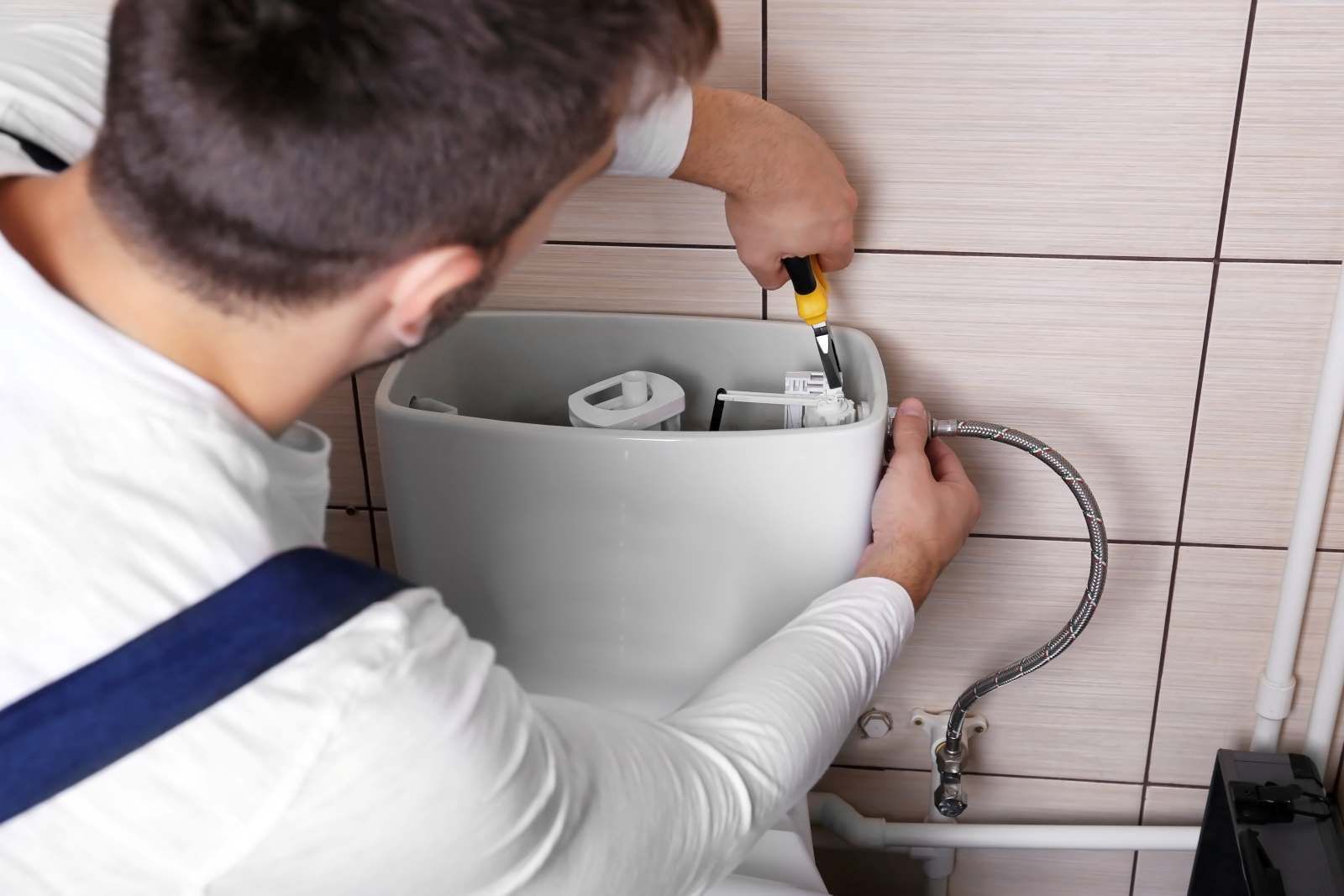
Licensed plumber repairing a running toilet in a Hampton Roads Virginia Beach home
By Lee Kirk April 2, 2026
Is your running toilet causing a high water bill? Learn the causes, DIY limits, and when to call a Hampton Roads plumber.
Septic Tank
By Lee Kirk March 13, 2026
Drains backing up? Learn how to tell septic tank problems from plumbing issues in Virginia Beach. Know who to call. Licensed plumbers: 757-910-0911.
Toilet Repair vs. Replacement
By Lee Kirk March 13, 2026
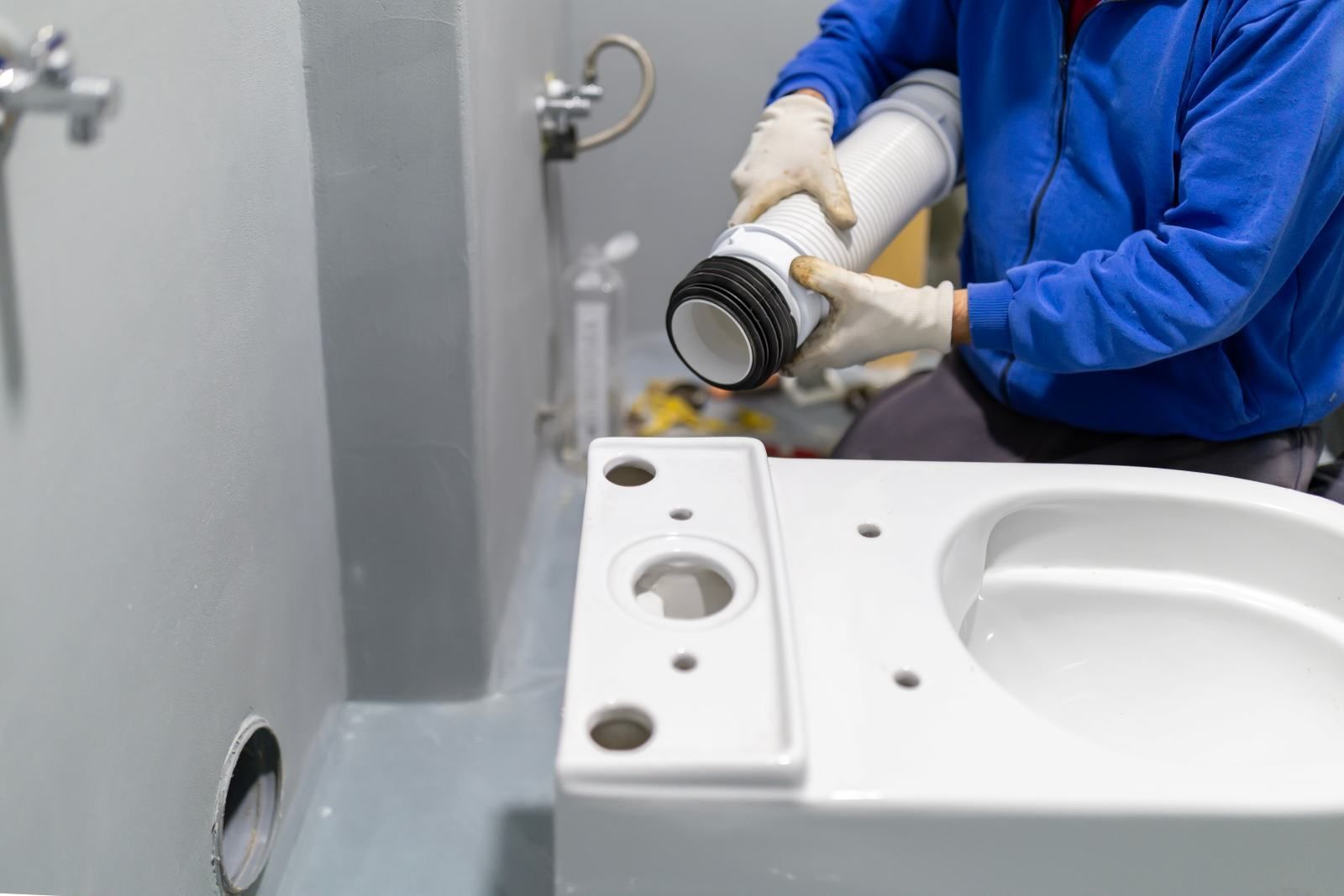
Honest toilet repair vs replacement cost comparison for Virginia Beach. Licensed plumbers explain when each makes sense. Call 757-910-0911 for assessment.
Water Bill
By Lee Kirk September 30, 2025
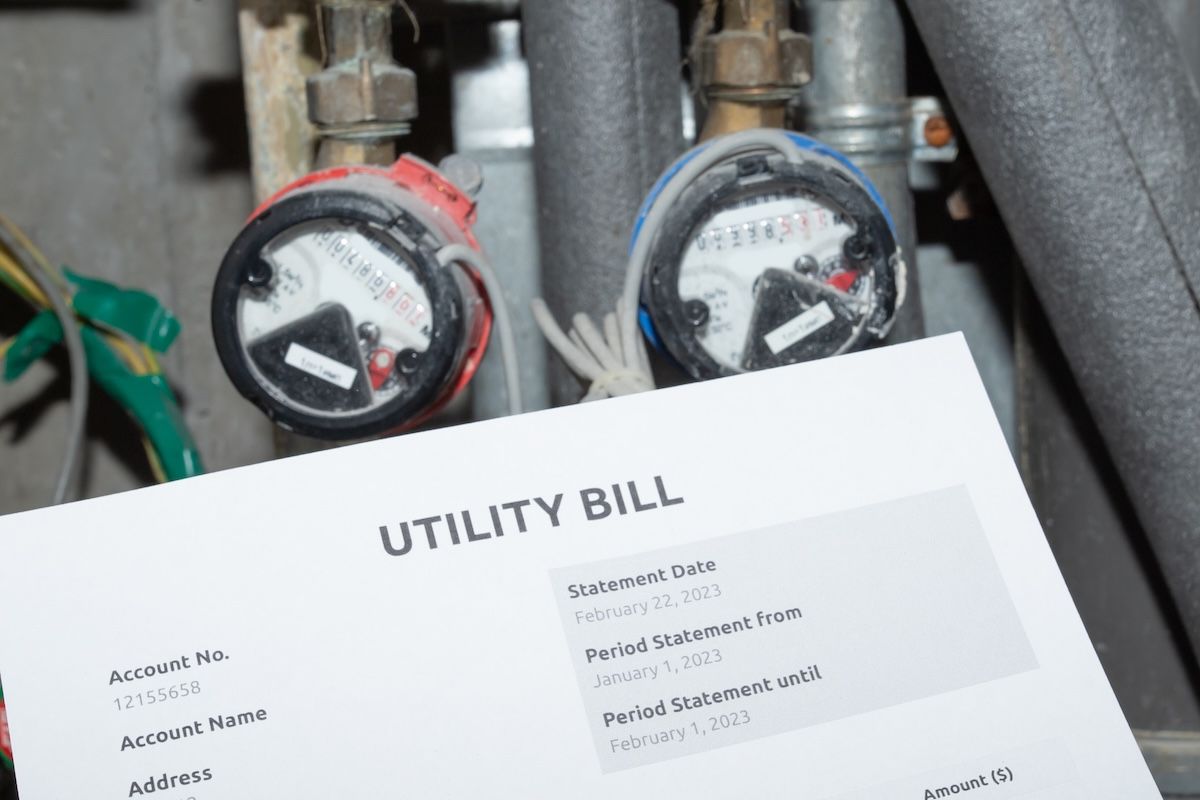
Discover why your Virginia Beach water bill skyrocketed. Our systematic guide helps identify hidden leaks, running toilets & coastal-specific causes. Call 757-910-0911 for expert leak detection.
24-hour emergency plumber
By Lee Kirk September 26, 2025
Know when to call 24-Hour emergency plumbing services to protect your home from leaks, sewage, or no water. Trust 911 Home Repair anytime, day or night.