Toilet Repair vs. Replacement: Cost Analysis for Virginia Beach Homeowners
Your toilet runs constantly, water pools around the base, or you're facing the third repair call this year. You need an honest answer: should you repair this toilet or replace it entirely?
The answer depends on more than just comparing today's repair quote to the cost of a new toilet. For Virginia Beach homeowners, coastal humidity and salt air affect how long repairs last and when replacement actually saves money long-term. Here's what you need to know to make the right decision.
What Toilet Repairs Actually Cost
According to industry data compiled by HomeAdvisor, toilet repairs average $271 nationally, with most homeowners spending $150-$391. Angi's 2025 cost data shows similar ranges, with labor accounting for 60-75% of the total cost since most repairs take an hour or less.
Common repair costs break down this way:
- Flapper replacement: $60-$120 (fixes running toilets)
- Fill valve replacement: $60-$150 (resolves slow refilling or noisy tanks)
- Wax ring replacement: $50-$200 (stops leaks at the base)
- Flush valve replacement: $50-$150 (corrects flushing problems)
- Flange replacement: $145-$200 (secures toilet to floor)
These costs reflect national averages. Virginia Beach rates typically fall in the middle to upper range due to our coastal market conditions and the additional expertise required for homes exposed to salt air and high humidity.
When Toilet Replacement Makes More Financial Sense
According to ConsumerAffairs analysis, toilet replacement typically costs $250-$800, depending on the toilet model and installation complexity. Recent industry data shows most homeowners pay $375-$500 for standard replacement in 2026.
Replacement becomes the smarter financial choice when:
Your toilet requires frequent repairs. If you've called for toilet service more than twice in the past year, those repair costs add up quickly. Three $200 repair calls over 18 months total $600—you're approaching replacement cost without gaining replacement benefits.
The toilet has structural damage. Cracks in the bowl or tank can't be reliably repaired. Even small cracks worsen over time, and attempting to repair them often leads to future leaks that cause water damage costing far more than replacement.
Your toilet wastes significant water. The EPA's WaterSense program states that toilets installed before 1980 use approximately 5 gallons per flush, toilets from 1980-1994 use about 3.5 gallons per flush, and toilets installed after 1994 use about 1.6 gallons per flush. Modern WaterSense toilets use just 1.28 gallons or less.
The EPA calculates that replacing old, inefficient toilets with WaterSense models can reduce water used for toilets by 20-60%—saving nearly 13,000 gallons per home annually. That translates to more than $170 per year in water costs, potentially saving $3,400 over the toilet's lifetime.
How to Calculate Your Actual Costs
Start by determining your toilet's age. Look inside the tank for a date stamp—usually printed near the waterline or on the back wall. If you can't find one, assume the toilet is as old as your home's construction date.
Next, add up your repair costs over the past two years. If you've spent $300+ on repairs, you're approaching replacement cost. Factor in the repairs you know are coming soon—if your plumber mentioned other components showing wear during the last service call, those are future expenses heading your way.
Then consider water waste. If you have a toilet from before 1994, you're using at least 3.5 gallons per flush versus 1.28 gallons for modern efficient models. For a family of four flushing roughly 20 times daily (the EPA estimates 5.05 flushes per person per day), that's significant water waste adding to your utility bills monthly.
Coastal Virginia Factors That Affect Toilet Longevity
Virginia Beach's coastal environment accelerates toilet component wear in ways that homeowners who moved here from inland areas don't expect. Salt air corrodes metal components—mounting bolts, fill valve connections, and flush mechanisms deteriorate faster here than in drier climates.
High humidity promotes mold growth around toilet bases and inside tanks where you can't easily see it. Wax rings break down more quickly from constant moisture exposure. Tank components fail earlier because humidity affects rubber and plastic materials.
When licensed plumbers evaluate coastal Virginia toilets, we look for specific deterioration patterns: rust on mounting hardware, corrosion inside fill valves, salt deposits in jet holes under the rim, and mold growth around the base. These problems indicate your toilet is fighting a losing battle against Hampton Roads' environment.
Questions to Ask Before Making Your Decision
How old is your toilet? Toilets don't last forever. Even well-maintained units approaching 20-25 years old have components that cost nearly as much to replace as buying a new, efficient toilet.
What's your repair history? Frequent service calls indicate systemic problems rather than isolated issues. One repair might be normal wear; three repairs in 18 months suggests the toilet is failing.
What are your water bills showing? Older toilets waste thousands of gallons annually. Check whether your water bill has increased despite similar usage patterns. Running toilets alone can waste 200 gallons daily, according to the EPA.
What does the toilet look like physically? Visible cracks, constant wobbling, rust stains, or frequent clogs all indicate a toilet nearing the end of its useful life in coastal environments.
When Professional Assessment Saves Money
Licensed residential toilet repair services provide value beyond just fixing today's problem. Professional plumbers assess your entire toilet system—not just the obviously broken part—and give you honest guidance about whether repair or replacement makes more financial sense for your specific situation.
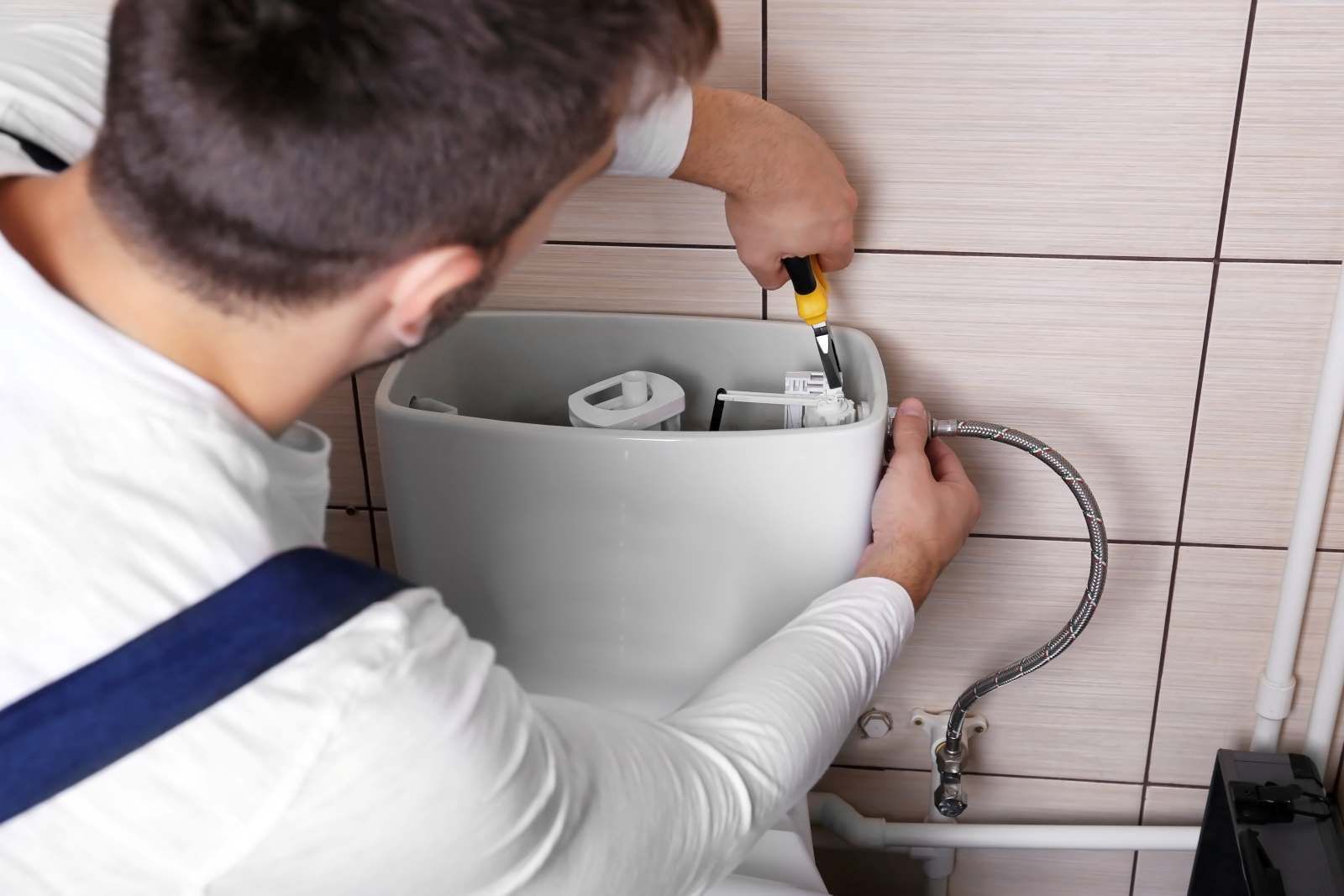
During professional plumber toilet repair assessment, expect thorough inspection of the bowl, tank, internal components, wax ring, mounting system, and water supply connections. Technicians test for hidden leaks, check water pressure, evaluate flush performance, and look for coastal corrosion damage.
Honest plumbers help you make the most cost-effective long-term decision rather than just selling you today's service call. We've talked homeowners out of unnecessary replacements when a $150 repair will give them several more years of service. We've also recommended replacement when attempting repair would waste money on a failing system.
Ready for Honest Assessment of Your Virginia Beach Toilet?
Whether your toilet needs simple repair or complete replacement, professional assessment from experienced coastal Virginia plumbers helps you make the right financial decision for your situation.
Call 757-910-0911 or contact us online for:
- Professional residential toilet repair services with honest recommendations
- Licensed plumber toilet repair throughout Virginia Beach and Hampton Roads
- Transparent cost comparison between repair and replacement options
- Satisfaction guaranteed service with no hidden fees
- Same-day assessment when you need quick answers
At 911 Home Repair Specialists, we're your trusted partner for all toilet needs in Virginia Beach. With veteran leadership, 85+ years of combined experience, and specialized knowledge of coastal Virginia challenges, we'll give you straight answers about repair versus replacement—not just try to sell you the most expensive option.
Serving Virginia Beach, Chesapeake, Norfolk, and the entire Hampton Roads region with professional toilet services. When you need honest guidance from experienced plumbers, call us first.